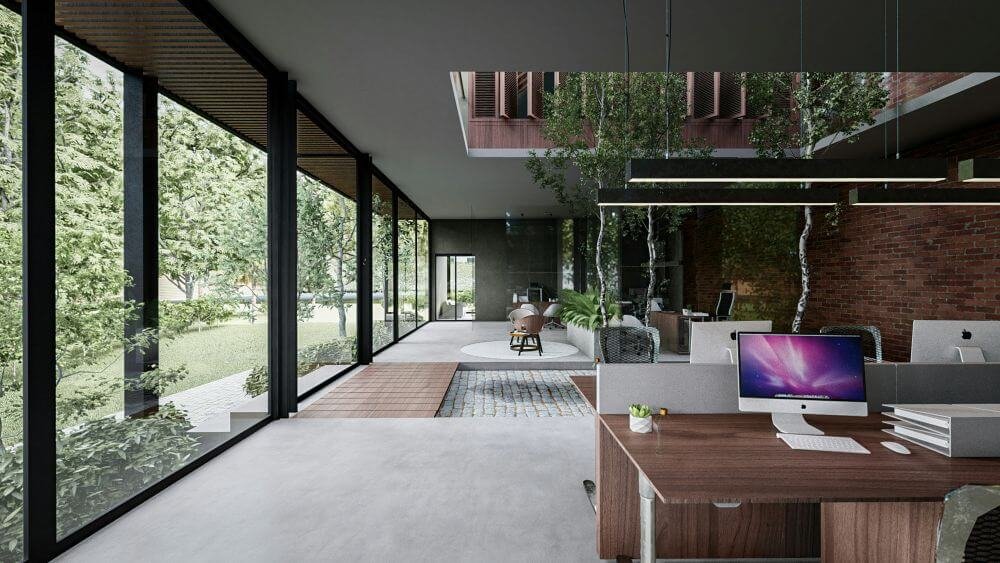
Office spaces are undergoing major change driven in large part by the urgent need to embrace sustainability. As the climate crisis escalates, organizations are rethinking how their workspaces can contribute to a greener future, turning sustainability from an optional upgrade into an essential blueprint. From reducing carbon footprints to fostering eco-friendly behaviors, sustainable workspaces are rewriting the rulebook as the new office setup.
The Case for Sustainability in the Workplace
It’s become impossible to ignore the pressing environmental challenges facing the world. Organizations are responding by taking a stand, proving that sustainable practices can align perfectly with business objectives. Workspaces play a significant role in shaping company culture. Incorporating sustainable features in the office not only minimizes negative environmental impact but fosters a sense of accountability within teams. Today’s workers demand more than just a paycheck. They want their companies to reflect their values. This shift is pushing businesses to innovate, creating work environments that truly embody care for the planet.
Beyond their direct impact on the environment, sustainable workspaces foster a sense of belonging and purpose among employees. When individuals see their organizations genuinely investing in meaningful sustainability practices, it can improve morale, reduce absenteeism, and increase productivity. People are more inclined to contribute positively to an office culture that echoes their personal commitments to the environment.
Designing Spaces That Respect the Planet
Moving towards sustainability doesn’t just mean reducing waste or cutting down on electricity bills. It involves rethinking the core design principles of office spaces. Open layouts that maximize natural light reduce reliance on artificial lighting and cut electricity consumption. Incorporating renewable materials, such as reclaimed wood or recycled metal, breathes new life into office furnishings while drastically reducing waste.
One practical example of modern sustainable design can be seen in many coworking environments. The accessibility and design of the ideal coworking space in Australia, for example, offers flexible shared work areas that encourage collaboration while minimizing resource use through shared utilities and infrastructure. Such spaces provide a glimpse into what a sustainable future could look like.
Even the smaller details, like low-flow water fixtures and energy-efficient appliances, make a measurable impact. Plants are another simple yet effective way to enhance indoor air quality and boost workplace morale. These green design strategies collectively create healthier environments for employees while clearly illustrating a commitment to the planet.
In addition to the immediate effects on well-being, these design choices provide long-term health benefits. Office spaces that prioritize air quality and natural light significantly reduce the risk of worker fatigue and stress-related illnesses. By fostering environments where employees can thrive physically and mentally, businesses paradoxically increase their bottom line by minimizing health-related costs.
Changing Work Habits
A shift towards sustainability isn’t merely aesthetic; it requires a fundamental change in work habits. Encouraging conservation is crucial. Many companies are implementing recycling stations and encouraging digital communications to reduce paper waste. Remote work options are another facet of this green trilogy, significantly cutting down on the need for commuting and the associated carbon emissions. A hybrid model not only offers flexibility but recognizes the environmental benefits of fewer cars on the road.
This movement also extends to fostering sustainable commuting practices for days employees need to be on-site. Corporations are supporting initiatives such as promoting carpooling, providing incentives for the use of public transport, or encouraging the use of bicycles. These efforts ensure that the journey to and from the office aligns with the green ethos valued by both the employer and employees.
The Economic Benefits of Sustainable Workspaces
The misconception that sustainability spells increased costs is steadily being debunked. Over time, energy-efficient offices see a significant drop in utility expenses. Long-lasting, durable furnishing materials require less frequent replacement, turning initial investments into compounding savings. Moreover, reducing wastage and optimizing resources invariably leads to streamlined operations. Corporations that take sustainability seriously often enjoy enhanced brand reputation, enticing clients who prioritize ethical practices.
Considerable indirect savings also arise from adopting sustainable practices. As work environments encourage healthier habits, companies may observe a decline in healthcare premiums and a decrease in employee turnover. With talented workers looking for purpose-driven organizations, sustainable workplaces become more attractive, helping to retain and attract top talent.
Conclusion
The new wave of sustainable workspaces marks a shift in business ethos, symbolizing a deeper commitment to the planet and its inhabitants. As more companies grasp the benefits of this approach, eco-friendliness is going beyond a noble goal. It is fast becoming the new standard for offices worldwide. The future of workspaces is green, and those who step up to the challenge will find not only profitability but peace knowing they stand on the right side of history.