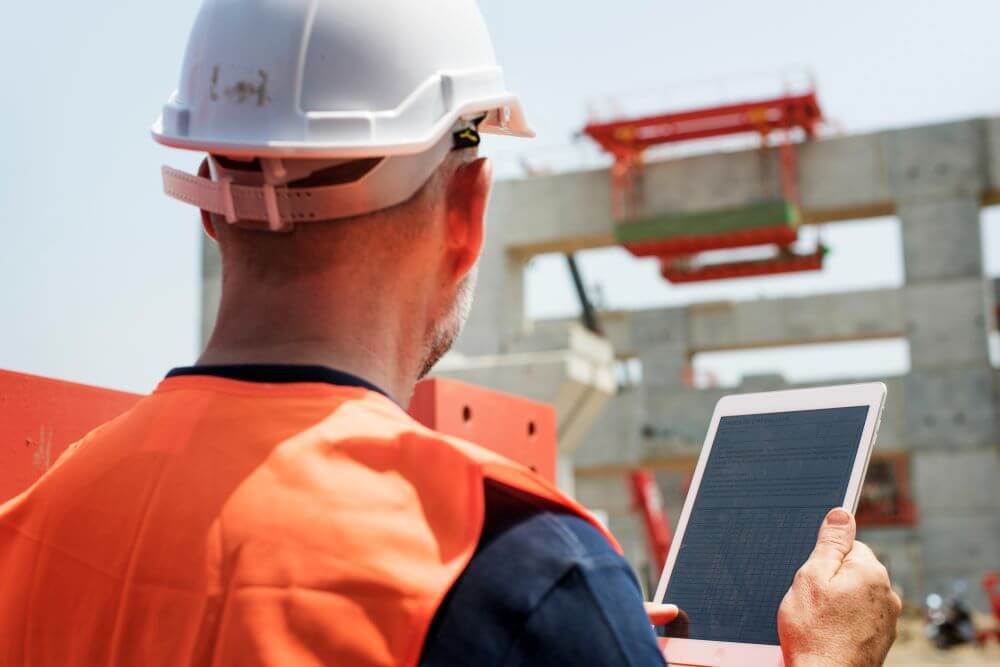
Construction has traditionally been one of the slower industries to adopt digital tools, but that’s changing at pace. Across the US, contractors and project managers are turning to connected technology to reduce downtime, improve safety oversight, and keep complex projects on schedule. The job site of 2025 looks very different from even five years ago, and the gap is only widening.
-
The Rise of Connected Technology in Construction
Digital transformation is no longer confined to the back office. According to Deloitte’s State of Digital Adoption in the Construction Industry 2024 report, each additional technology implemented into construction operations leads to a 1.4% increase in annual revenue growth, a figure that has accelerated adoption among firms looking to protect margins in a cost-pressured environment. Building Information Modeling, cloud-based project management platforms, AI-powered scheduling tools, and IoT-connected site equipment are now standard features of larger projects, with smaller contractors following suit as costs fall and the business case becomes clearer. The 2024 Deloitte survey found 68% of construction businesses already using or planning to implement AI technologies, which is a figure that reflects how quickly the industry’s posture toward digital investment has shifted.
-
Improving Safety and Site Awareness Through Technology
Construction is one of the highest-risk industries in the US, but smart monitoring is beginning to change that equation. Wearable devices, computer vision cameras, and connected equipment telematics are shifting safety management from reactive to proactive, flagging hazards before incidents occur instead of documenting them afterward. A 2024 peer-reviewed study published in Scientific Reports found that wearable safety monitoring systems correlated with 40% reductions in accidents and injuries across multiple construction sites, while predictive maintenance powered by equipment data reduced downtime incidents by 25–30%. For project managers, real-time alerts about worker health, equipment performance, and environmental conditions provide a level of site awareness that manual supervision alone can never match.
-
The Importance of Reliable Detection and Monitoring Components
Behind every smart monitoring system on a modern job site is a layer of physical components that make real-time data collection possible. Industrial-grade sensors are fundamental to this infrastructure, monitoring everything from equipment temperature and vibration to air quality, structural movement, and worker proximity to hazardous zones. The reliability of these components directly determines the reliability of the data they produce. In environments as demanding as active construction sites, where components are exposed to dust, moisture, vibration, and temperature extremes, specifying the right detection and monitoring hardware is as important as the software systems built on top of it.
-
What Smarter Construction Sites Mean for the Future of the Industry
The trajectory is clear: construction sites will continue to become more connected, more data-driven, and more automated. AI-driven platforms are already being used to forecast cost overruns weeks in advance, with users reporting up to 20% reductions in budget variances. Drone surveys, automated progress tracking, and digital twins are compressing the feedback loop between what’s planned and what’s actually happening on the ground. For contractors willing to invest in the infrastructure now, from enterprise software down to the individual components that feed data into these systems, the competitive advantage will only compound. The firms that build smart site capability today are positioning themselves for the projects, timelines, and margins that will define the industry tomorrow.
Smart technology is becoming the baseline for operating competitively, safely, and profitably. The firms investing in connected infrastructure today aren’t just keeping up with the industry; they’re defining what the industry looks like next.