Many young companies outgrow their space faster than expected. New tools, added staff, and extra storage needs can strain a small facility. A fabric building offers a practical way to expand without long delays or heavy spending. These structures fit well with companies that want room to grow but need to stay efficient and cost-aware.
Why Growing Companies Choose Fabric Buildings
One of the biggest advantages is the short construction timeline. A fabric structure can often be installed in a fraction of the time required for a traditional building, which helps companies, especially e-commerce businesses, respond quickly to rising demand. The lower cost of materials also supports predictable budgeting during growth phases.
Another appealing feature is adaptability. The building can serve different purposes as a company shifts direction. A startup might begin with storage needs, then later convert the space into a work zone or housing for equipment. This level of flexibility reduces long-term pressure to commit to a single layout.
Key Features That Help a Business Adjust Quickly
A fabric covered building includes several design features that make it useful across many industries. These features help teams organize space, improve daily workflows, and maintain steady operations.
Clear Span Design and Open Space
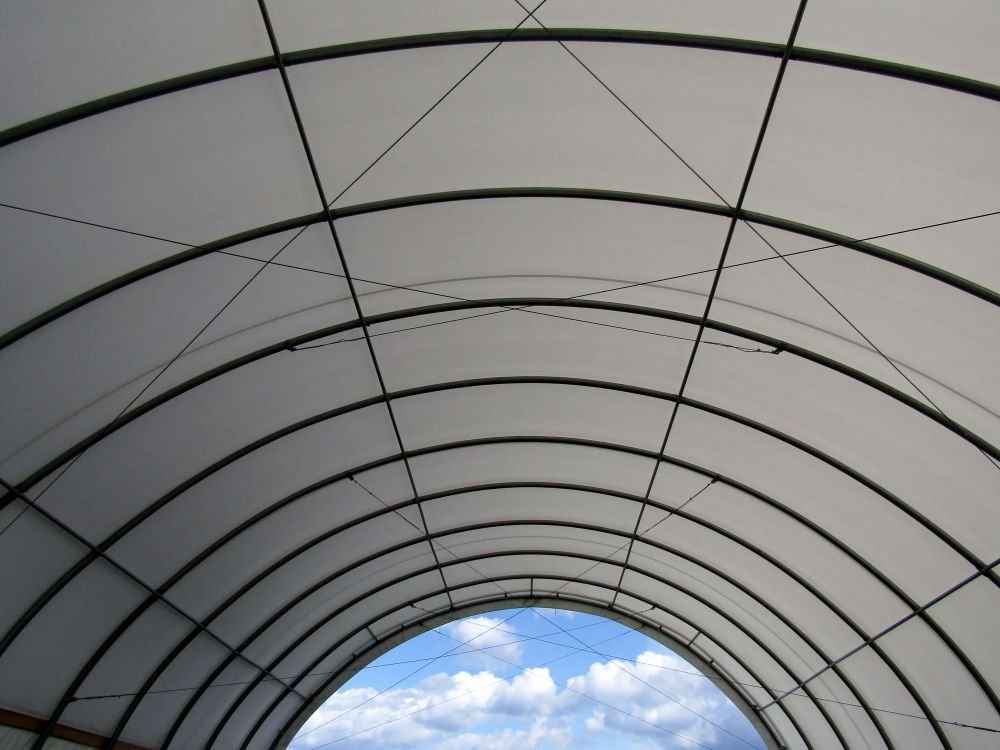
A clear span layout removes interior supports, giving companies an open area to store inventory, move vehicles, or create assembly zones. This freedom makes it easier to adapt floor plans over time. Businesses with changing equipment or seasonal needs benefit from not having fixed barriers inside the structure.
Fabric Membrane and Natural Lighting
The fabric membrane allows the building to brighten naturally during the day. This often reduces reliance on artificial lighting and creates a more comfortable workspace. Improved visibility also supports accuracy in tasks that require attention to detail.
Steel Frame Strength with Fabric Cladding
Many growing businesses struggle to find structures that stay strong under heavy use while keeping upkeep manageable. This is where choosing the right building type matters. A steel frame forms the backbone of the structure and provides the stability companies rely on as operations expand. When paired with a quality membrane, such as those used in a commercial fabric building, the result is a space that handles daily wear while keeping maintenance demands low. The fabric cladding keeps overall weight down and simplifies cleaning, which helps operations stay consistent.
Engineered Fabric Structures for Demanding Conditions
Some companies operate in areas where weather or environmental factors add stress to buildings. Engineered fabric structures are designed to meet safety requirements across the United States, including regional wind load standards. This helps protect stored materials and equipment during storms.
Another advantage is the controlled interior environment. The materials used in the structure limit moisture buildup, which helps protect sensitive products and reduces wear on machinery. This makes the buildings useful for industries that handle bulk materials or equipment affected by humidity.
PVC Fabrics and Weather Resistance
PVC fabrics are built to handle repeated use and constant exposure. They hold tension well, resist UV damage, and remain stable during temperature swings. These qualities help companies rely on the building throughout the year, even in harsh climates.
Where These Buildings Fit: Common Uses for Startups and Expanding Teams
Fabric buildings support a wide range of tasks across different industries. Their flexibility helps companies scale without taking on large construction projects.
Salt Storage and Corrosion-Prone Materials
Businesses that handle road salt or similar products need a structure that keeps materials dry and easy to access. A fabric building provides an enclosed environment that helps reduce moisture exposure. This supports longer material life and cleaner handling.
Grain Storage and Agricultural Work
Agricultural teams use these structures to store grain, feed, and equipment. The open layout gives tractors and loaders enough clearance to move safely. A dry interior also helps maintain grain quality and supports smooth harvest operations.
Outdoor Fabric Storage Building Uses
Many companies rely on these buildings for warehouse overflow or vehicle parking. The height and width options make it simple to arrange large items or organize seasonal inventory. Because the space can shift as needed, it helps businesses manage both short-term and long-term storage demands.
Reducing Operational Limits as a Company Scales
Permitting for fabric structures is often simpler than for traditional buildings, which allows companies to move forward without long waits. Once installed, the building can also change in size when operations grow. Lengthening the structure usually requires minimal interruption to daily work, which helps teams stay productive during transitions.
Return on Investment and Long-Term Value
A fabric building supports long-term value through lower maintenance needs, steady performance, and simple upkeep. The steel frame remains reliable over years of operation, and the fabric membrane can be cleaned and repaired easily. Companies also save time and money due to the shorter installation schedule.
Instead of relying on older temporary shelters, many businesses now choose canvas buildings and engineered fabric structures for their durability. This makes them a strong fit for companies that want dependable space without committing to large permanent builds. It’s also why the market size of engineered fabrics is expected to grow at a 5.3% CAGR from 2025 to 2030.
Working With Specialists From a Trusted Fabric Building Provider
Partnering with an experienced provider ensures the building matches the company’s workload and safety requirements. A trusted fabric building provider can offer steel frame engineering, different fabric options, and accessories that improve comfort and function. These choices help companies tailor the building to their exact needs.
Customization Options
Businesses can choose the size, height, fabric type, and accessories that fit their daily tasks. Options like ventilation, insulation, or upgraded doors help the building support specific processes and equipment.
Experience and Quality Control
Experienced builders follow detailed engineering and quality checks that support long-term reliability. This reduces the risk of early repairs and protects the company’s investment. Strong construction practices also give teams confidence that the building will perform well under regular use.
Conclusion
Fabric buildings give growing companies the space they need without slowing progress or creating heavy costs. Their open layouts, natural lighting, dependable frames, and strong weather performance support daily work while providing room for future growth. For startups and expanding teams across the United States, these structures offer a reliable and adaptable way to scale operations at a steady pace.