
When it comes to food processing, achieving high levels of efficiency and safety is paramount. Today’s consumers demand quality products that are both nutritious and have a long shelf life, which has spurred the food industry to explore innovative processing methods.
HTST processing stands out as a remarkable technique that meets these demands. It not only streamlines production but also ensures that food safety standards are upheld with unprecedented rigor. Below, we delve into the manifold benefits of adopting HTST processing in modern food manufacturing.
HTST Applications: Revolutionizing Dairy, Juices, and Other Sectors
The dairy industry is one of the primary sectors that has embraced HTST processing, largely due to its ability to effectively pasteurize milk while retaining its flavor and nutritional properties. This method is particularly well-suited to the production of milk, cream, and other liquid dairy products, leading to enhanced quality and extended shelf life.
Juice manufacturers also benefit from the adoption of HTST processing, as it helps in preserving the fresh taste and vitamin content in fruit juices, which are especially prone to quality degradation through traditional pasteurization methods. HTST allows producers to deliver a product that’s closer to freshly squeezed juice, which is highly sought after in today’s health-conscious market.
High-temperature short-time applications are revolutionizing the way we preserve and process food across numerous industry sectors. As technology advances and the pressure to produce safe, high-quality food intensifies, HTST is well-positioned to play an increasingly critical role in meeting these evolving challenges.
Enhancing Food Safety and Extending Shelf Life With HTST

Food safety is a top concern in the food processing industry and is critical to consumer health. HTST processing offers enhanced food safety by efficiently destroying harmful microorganisms that can lead to foodborne illnesses. Employing HTST also reduces the risk of recontamination, as the product is less likely to be exposed to pathogens during its short processing time.
The ability of HTST to extend shelf life is another vital benefit for manufacturers and consumers alike. Through the inactivation of spoilage microorganisms and enzymes, products treated with HTST maintain their freshness and are less prone to premature spoilage. This extended shelf life is crucial not just for reducing food waste but also for expanding market reach, since products can safely travel longer distances and remain on shelves for extended periods.
Extending shelf life also means consumers can store these products for longer without loss of quality. This creates the opportunity for manufacturers to reduce the use of chemical preservatives, thus meeting the growing consumer demand for cleaner labels and more natural products. The high standards of sanitation and reduced frequency of production interruptions ensure the consistent delivery of safe, high-grade products to the market.
The Role of HTST in Nutrient Preservation and Flavor Retention
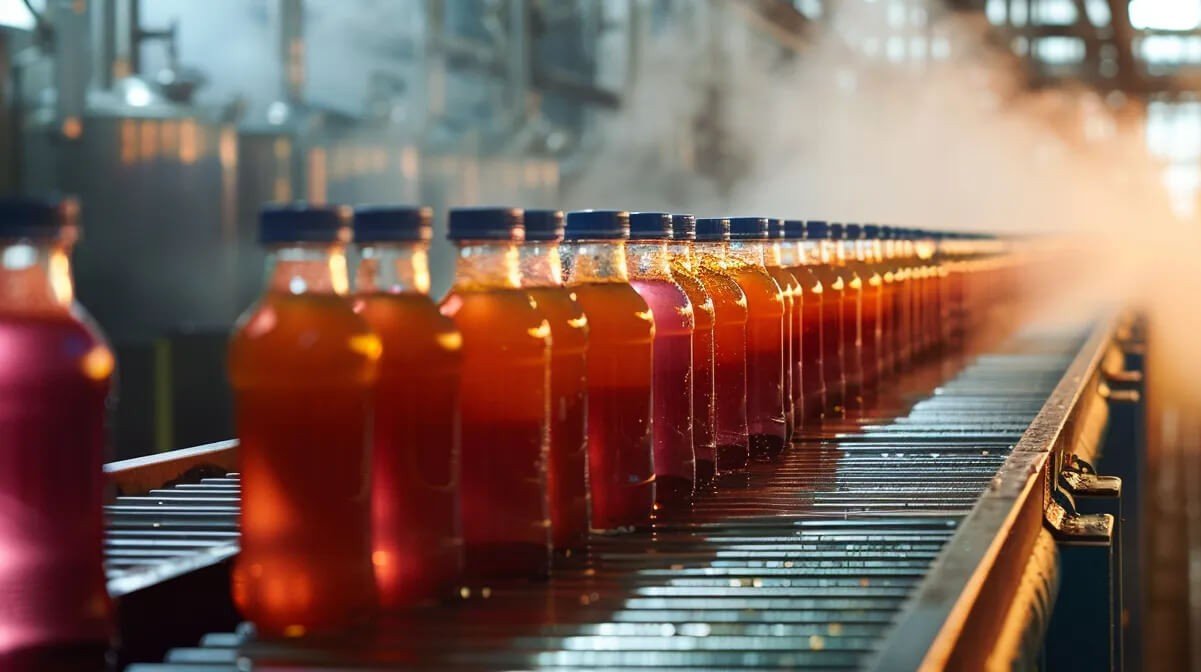
Nutrient preservation is a considerable advantage of HTST processing. Essential vitamins and minerals can be sensitive to heat, and traditional long-duration pasteurization processes may degrade these nutrients, diminishing the product’s nutritional value. HTST minimizes this issue by exposing foods to heat for a minimal time, thus better preserving their original nutritional content.
Flavor retention is another critical factor where HTST excels. The short time at elevated temperatures reduces the chance of thermal damage to flavor compounds, allowing the product to maintain its original taste and aroma. This is particularly important for products like juices and dairy, where flavor is a significant attribute of the consumer’s sensory experience.
Operational Benefits: Reducing Energy Consumption and Processing Times

HTST processing is not only advantageous in terms of product quality and safety, but it also offers significant operational benefits. One of the standout advantages is the reduction in energy consumption. The swift heating and cooling processes inherent to HTST are energy-efficient, requiring less steam, electricity, and water, thereby leading to lower utility costs.
Reduced processing times are inherent to the HTST method, which translates to savings in labor and production costs. The ability to process more products within the same amount of time can drastically increase a facility’s overall output. Fast processing cycles also mean a quicker turnaround, allowing for a prompt response to market changes and consumer demands.
Overall, the wide array of benefits offered by HTST processing is undeniable. From bolstering food safety to enhancing nutritional and sensory attributes, these applications are transforming the food processing landscape. As the industry continues to innovate and prioritize efficiency and consumer preferences, HTST processing is set to remain at the forefront of modern food technology.